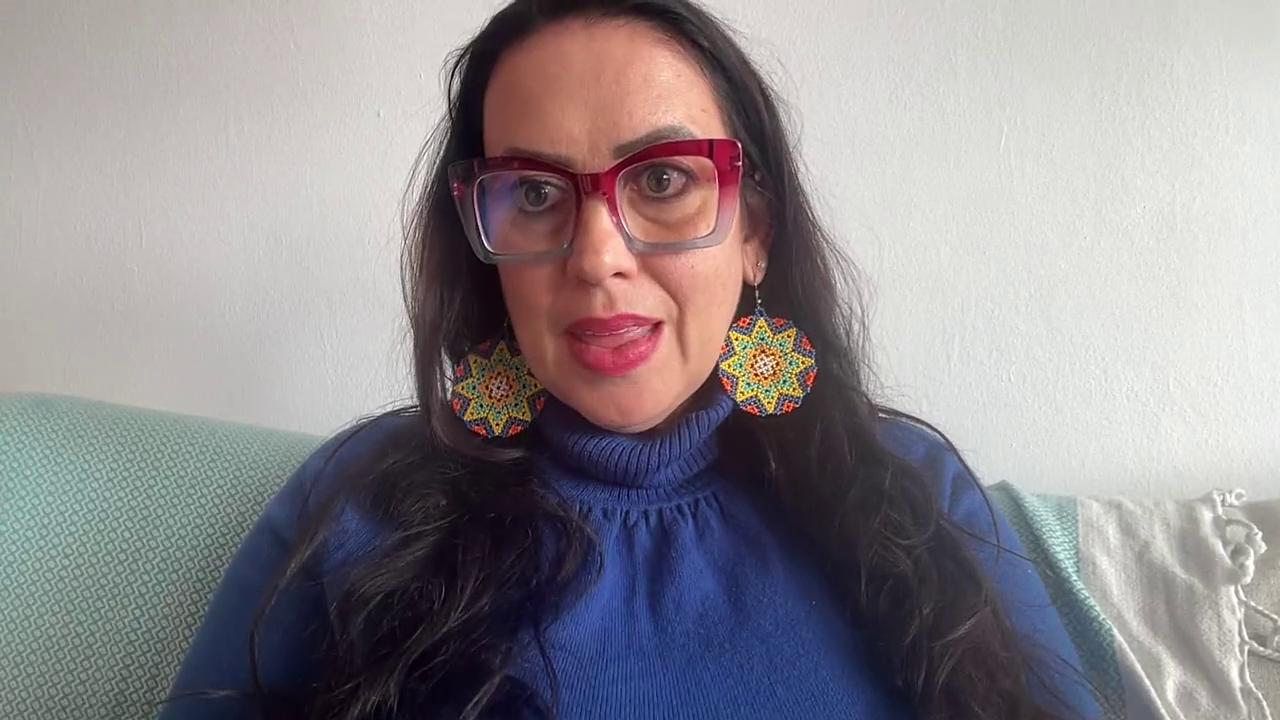
Natasha Lycia Ora Bannan
Transcript
When I had my child 3 years ago. years of deep sacrifice and wanting to bring him into the world, I was not only hit with the very bleak and hard economic reality of what childcare costs would be and realized that it was out of reach for me, but also what I was told and sold, I needed to provide economically for him to be happy and healthy and stable. But it was also the stark contrast. Of what I needed, which was a model of collective care that sustained both me and him with the reality, which was that I was the sole individual who was expected to provide everything for this little person and that it should all be within me and within my capabilities and reach to be able to do that. And whatever I needed to be able to make that happen was actually unavailable, not prioritized, um, stigmatized, and or I was punished for wanting and or needing that. Including economic, emotional, physical support. In in recovery and. The idea, the concept of a village is more than just the idea that like our family members show up or our friends show up, they have their own individual lives. It is that we align what we need as a society to have functioning and functional families, starting with what moms need to be able to provide what we're expected, what is expected of us for our children, and that is just nonexistent. Unless there is really severe deep intentional efforts to create that and a lot of willingness amongst other mainly moms and parents to also be a part of a collective model of care that says I am a part of. A community where we are prioritizing our children's well-being and we show up for each other and that just does not exist. It is, it is so absent from our collective imagination of what is possible and this idea of individual responsibility has been so thrusted upon motherhood. That we are the ones that feel that we have to bear the weight of providing everything for our children, and it is so heavy to carry that on our shoulders at all times and feel that we cannot even ask for help, and then to be punished when we do so in our careers, in our relationships, and our friendships, more than just reprioritizing our lives after having children, we are forced to Um, and made to feel that we are not enough if we can't do it by ourselves, and that is such a lie, uh, that I hope that we are. Ready and willing and able to break with.